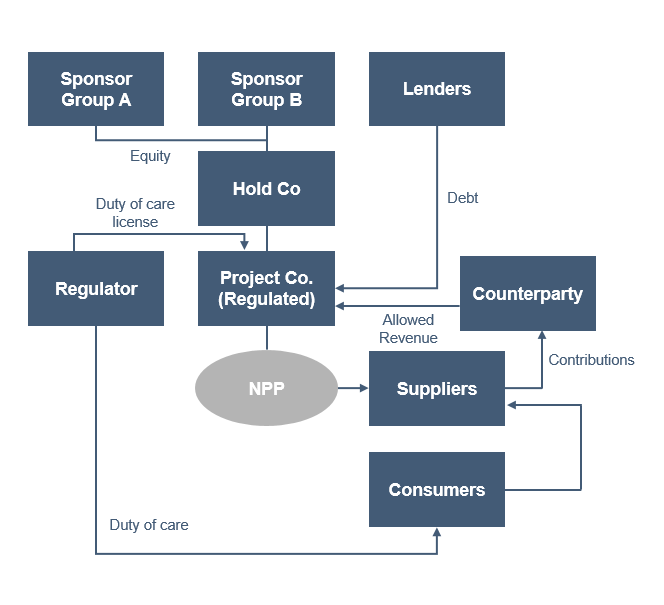
Russia's invasion of Ukraine has led to commitments from the West to reduce reliance on Russia for gas and oil. Whilst the UK itself is not as reliant on Russian oil and gas as other countries, we are feeling the impact of increased prices. Energy security is once more at the forefront of Government thinking. Prime Minister Boris Johnson said this week that "now is the time to make a series of big new bets on nuclear power" and we are expecting a UK Energy Security Strategy later this month, which we expect will advocate the expansion of nuclear power.
The government sees nuclear power as essential to meet the legally-binding net zero target set by the Climate Change Act 2008. Yet almost all our current operational nuclear power stations are due to come offline by 2030 as they reach the end of their operational lives. New nuclear power stations are expensive and risky to finance, with much of the money needed up-front, long before they can start to generate revenue by selling power. The only nuclear power station currently being built in the UK, Hinkley Point C, has been supported by the Government via a Contract for Difference (CfD), but this only guarantees a certain level of revenue once the plant has begun generating electricity; the investors still have the construction and operating risk.
There are large volumes of private sector capital (mainly pension funds and insurers) who are looking to invest in infrastructure projects, but only if their exposure to risks are within limits. This is why the government is proposing a RAB model. The fact that investors have pulled out of the Wylfa Newydd and Moorside nuclear projects since the consultation on a RAB model for nuclear was first launched shows why this is needed.