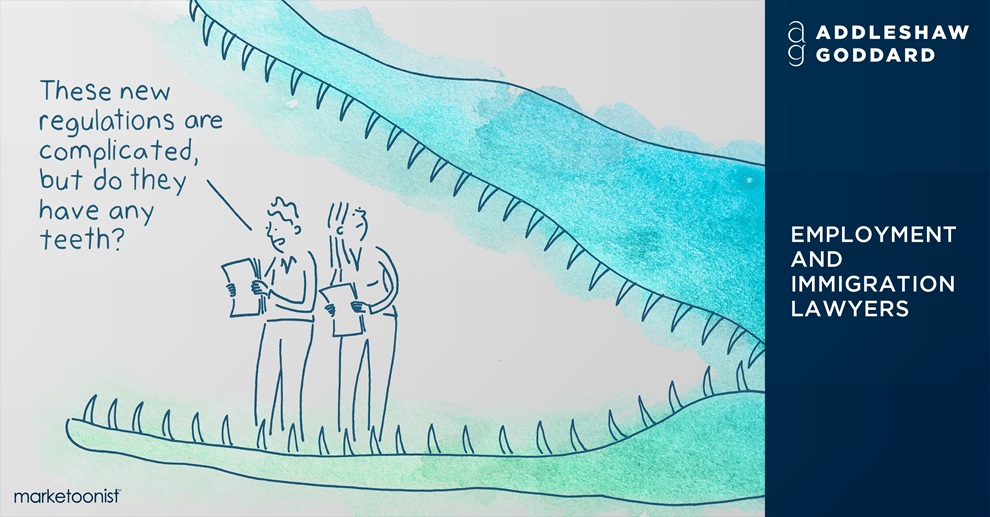
From 6 April 2026, SSP becomes a ‘day-one right’ for all employees.
That means:
- no more three day waiting period for each period of sickness; and
- no minimum earnings threshold (SSP will be payable regardless of whether someone earns at or above the Lower Earnings Limit).
SSP will be payable at the lower of:
- 80% of normal weekly earnings, or
- the standard SSP rate (set at £123.25 from 6 April 2026).
There’s a clear policy aim here: better protection for lower earners and fewer people feeling pressured to come into work when they’re unwell. But for employers - particularly those with large part time, casual or variable hours workforces - this is also another cost pressure landing at a time when budgets are already stretched.
The DWP estimates the overall cost to employers at £450 million. For some organisations, the impact will be felt much more sharply than for others.
Absence levels are already moving in the wrong direction. The CIPD Health and Wellbeing at Work Report puts average absence at 9.4 days in 2025, up from 7.8 days in 2023, and well above pre pandemic levels. Around 78% of absences are for minor illness such as colds and flu - exactly the category most affected by day one SSP.
In practice, that might mean:
- Re checking contractual sick pay arrangements
Are enhanced payments still doing what you want them to do - and are they targeted at the groups most at risk? If changes are on the table, you’ll need a robust business case, not just rising cost alone.
- Helping managers use discretion consistently
Many policies allow discretion around sick pay. Clear guidance and training can help ensure that discretion is exercised fairly, defensibly and consistently.
- Getting smarter about absence data
Understanding your own absence patterns (year on year, by reason and by team) is essential. If you’re considering adjusting sick pay or tightening processes, you’ll need solid evidence to support that decision and to justify any disproportionate impact on particular groups, including part time staff or those with underlying health conditions.
- Introducing (or refreshing) an absence management policy
Clear trigger points, clear expectations and clear processes matter more than ever, but so does flexibility. A good policy balances the need for sustained attendance with the reality that illness happens and will allow room to respond where patterns suggest either genuine need or misuse.
- Training managers on the basics
Consistent return to work meetings, confidence in handling formal processes and the ability to explain decisions clearly will be key as day one SSP becomes the norm.