
(5 min read)
In this edition we take a look at the forthcoming trade union right of access to the workplace, the rise in interim relief applications, the changes to right to work checks and Germany’s major employment law reform proposals. We also have our usual round-up of news, our UK and EU horizon scanners, our Employment Rights Act tracker, our EU Pay Transparency Hub and information on forthcoming events including our Industrial Relations Training on 29 September 2026.
Is the industrial relations landscape in the UK changing forever?
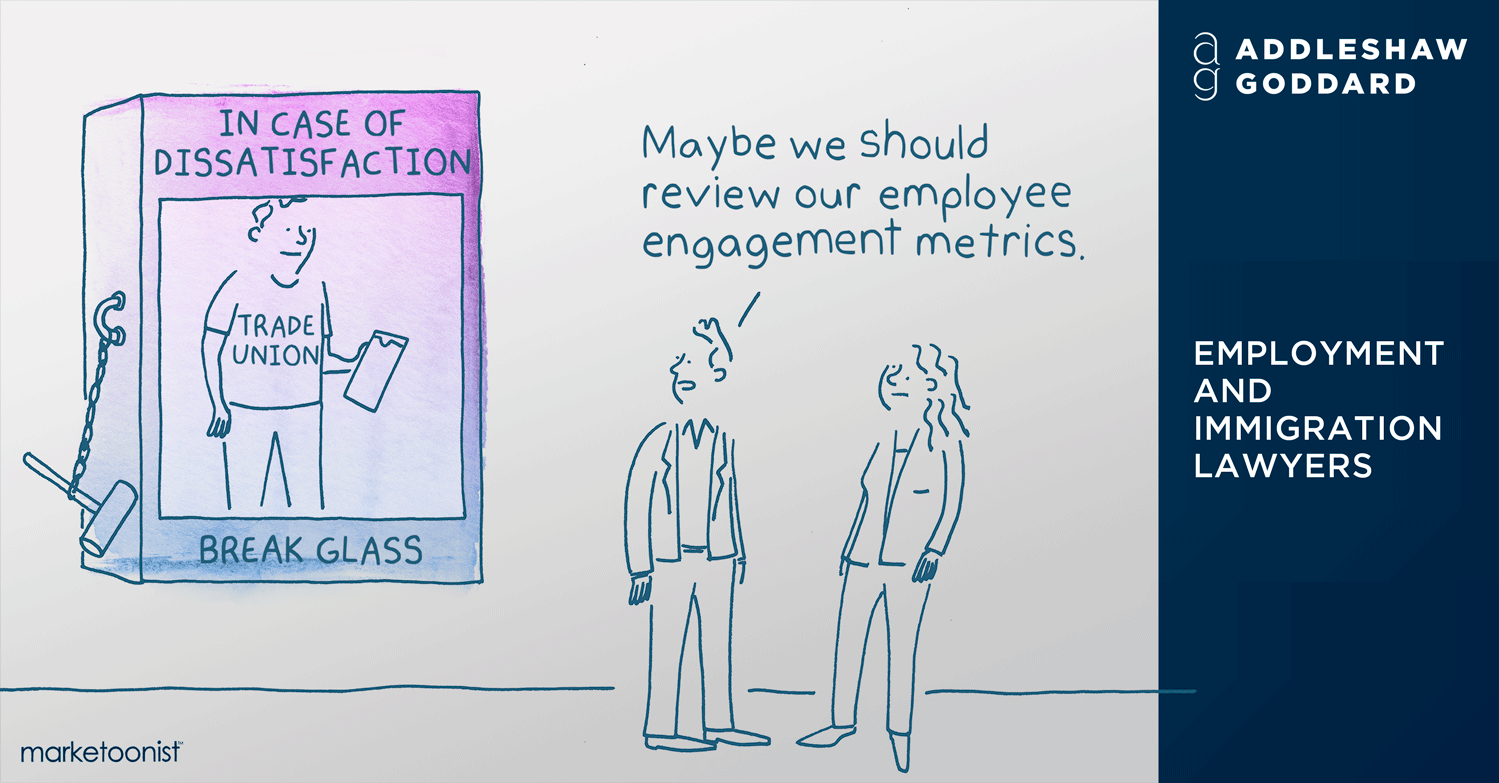
Most businesses in the UK fall into one of two camps – either they do not recognise a trade union and have never had to give that any thought; or trade union relations are long established and an intrinsic part of the business. Some employers have needed to grapple with requests for union recognition, but for many years this has been the minority.
The new trade union right to request access – in force from 30 October 2026 – will change this fundamentally. All employers with 21 or more employees now need to consider how they will approach a request for access made by a trade union.
Where a union gains momentum within an employer as a result, that employer will need to consider carefully what to do if they receive a request for trade union recognition, particularly considering the simplification of the recognition process.
We do not know whether political change in the future will alter this picture once again. However, for now at least a substantial change to the industrial relations landscape in the UK is imminent and is something that all but the smallest employer will need to consider.
Editorial - by Sarah Harrop
IR article
The new trade union right of access to the workplace will come into force in October 2026. We take a look at what employers need to know.
Find out more here.
Interim relief: A short circuit to success in the Employment Tribunal?
We’re seeing a marked increase in interim relief applications. We look at the reasons behind the rise and how employers can be better prepared.
Find out what it means for employers here.
Inside the UK’s new right to work regime: What employers need to know now
Significant changes to right to work checks are coming into force in October 2026. We explain the changes and what they mean in practice.
Read about the changes here.
Germany unveils major employment law reform plans
Germany’s coalition government has launched an ambitious package of labour market reforms that could have a significant impact on German employment law.
We take a look at the key proposals here.
Upcoming Events:
Our forthcoming industrial relations training: Preparing for a new era in trade union relations will be taking place in our London office in the afternoon on Tuesday, 29 September 2026.
We will be looking at the latest developments in the programme of trade union reforms being introduced by government and take a deeper dive into the new trade union right of access to the workplace coming into force in October 2026. Alongside our guest speaker, we will give some insight and perspective on how unions will approach the reforms and how they may target certain organisations and sectors with a view to achieving recognition. Our panel session of industry experts will also discuss their experience of working with trade unions. It promises to be a very popular event. To register, visit our registration page here.
For our Employment and Immigration Training Calendar 2026 listing all our client training events, please visit our website page here.
What else you should know